Leave Your Message

10 Best Pressure Reducing Relief Valve Manufacturers

Selecting the right Pressure Reducing Relief Valve manufacturer is more than comparing product catalogs or advertised flow rates. These valves protect equipment while controlling downstream pressure in demanding systems. Their performance depends on sizing, inlet conditions, materials, set pressure, temperature, and installation quality.

This guide examines 10 Best Pressure Reducing Relief Valve Manufacturers through practical engineering criteria. We consider design experience, certification, testing procedures, technical support, customization, and field reliability. Standards such as ASME, API 520, API 521, and ISO 4126 may guide evaluation, but certification alone never tells the whole story. Real performance matters.

Trevor Kletz, a respected process-safety authority, warned, “If you think safety is expensive, try ignorance.” His statement remains relevant here. A poorly selected valve can cause unstable pressure, leakage, unexpected maintenance, or costly shutdowns. Small details matter. A stainless-steel trim, a correctly sized pilot, or a clean sensing line can change the outcome.

The manufacturers discussed here serve industries including oil and gas, chemical processing, power generation, water treatment, and industrial manufacturing. Some excel in engineered solutions. Others offer strong standard product ranges and global service networks. No ranking is perfect. Actual suitability still depends on the application, and that judgment cannot be outsourced completely.

Readers should verify current certificates, test records, pressure ratings, and local installation requirements before purchasing. This introduction offers a practical starting point, not a substitute for qualified engineering review.
10 Best Pressure Reducing Relief Valve Manufacturers

What Is a Pressure Reducing Relief Valve?

A pressure reducing relief valve controls excessive downstream pressure while protecting equipment from unsafe rises. It combines two functions in one body: pressure reduction during normal operation and pressure relief during abnormal conditions. A spring-loaded diaphragm senses outlet pressure. If that pressure exceeds the set point, the valve opens and releases fluid through a designated discharge path.

The distinction matters. A standard regulator may reduce pressure but cannot always provide independent overpressure protection. Under ASME Boiler and Pressure Vessel Code Section VIII, relief capacity, set pressure, materials, and discharge arrangements require careful verification. API 520 and API 521 also guide sizing and installation. A 2024 Grand View Research assessment estimated the global pressure relief valve market at approximately USD 4.8 billion in 2023, reflecting wider demand for dependable pressure control across process industries.

Selection should begin with real operating data, not a catalog photograph. Record inlet pressure, required outlet pressure, temperature, flow rate, fluid phase, and possible blockage scenarios. A valve that looks correctly sized may chatter when flow is unstable. That failure is easy to overlook. Field checks should include set-pressure testing, corrosion inspection, and clear discharge routing. In my view, the weak point is often not the valve itself, but an incomplete system calculation. Even a well-built device cannot compensate for poor assumptions.
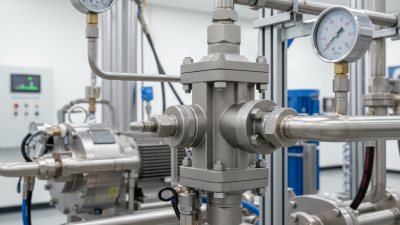
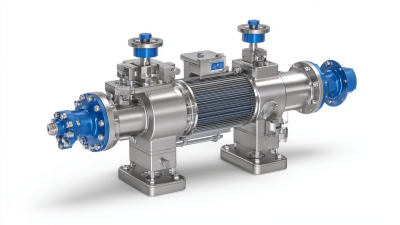
10 Best Pressure Reducing Relief Valve Manufacturers - What Is a Pressure Reducing Relief Valve?

A pressure reducing relief valve lowers an upstream pressure to a controlled downstream level while providing overpressure protection when the downstream pressure exceeds the relief setting. The chart shows representative pressure levels commonly used in water, steam, compressed-air, and process systems. Actual settings must be selected according to the system design, fluid, temperature, flow rate, and applicable safety standards.

How to Evaluate Pressure Reducing Relief Valve Manufacturers

When evaluating pressure reducing relief valve manufacturers, look beyond product catalogs and polished claims. A reliable manufacturer should explain how each valve controls pressure during normal operation and sudden overpressure events. Ask for flow curves, set-pressure tolerances, material specifications, and documented testing procedures. These details reveal engineering discipline.

My experience shows that factory testing matters most when records are specific. Check calibration dates, inspection signatures, serial-number traceability, and test conditions. Confirm whether valves are tested with air, water, steam, or the medium used in your system. Review material compatibility for corrosion, temperature changes, and repeated pressure cycles. A technically confident supplier will discuss limitations openly. That is important. My first evaluations focused too heavily on price and delivery speed, which later proved shortsighted. Service response, spare-part access, and adjustment support can affect plant reliability for years.

Tips:

Request a sample inspection report before ordering. Compare the quoted pressure range with your actual operating conditions. Ask how the manufacturer handles failed tests and field complaints. Visit the facility if possible, and observe machining, assembly cleanliness, and final inspection areas. Do not accept vague statements such as “high quality.” Require measurable evidence. Also compare lifecycle cost, not only purchase price. A cheaper valve may require more maintenance, frequent recalibration, or earlier replacement. Manufacturer reputation helps, but independent references and verified performance data should carry greater weight.

10 Best Pressure Reducing Relief Valve Manufacturers

The 10 best pressure reducing relief valve manufacturers earn trust through tested performance, not attractive brochures. Their valves should control outlet pressure steadily, even when inlet pressure changes suddenly. Look for documented flow coefficients, material certificates, calibration records, and pressure-test results. These details reveal manufacturing discipline.

Field experience matters. A reliable manufacturer studies valve behavior in steam, water, air, or corrosive service before recommending a design. Ask whether engineers review temperature, pressure range, pipe size, back pressure, and discharge capacity. Skilled suppliers also explain maintenance intervals and replacement parts clearly. Vague answers deserve caution. Small errors can become expensive failures.

Tips: Compare test procedures, not only prices. Check whether each certificate matches the actual valve. Request sample drawings and installation guidance. Observe the finish around threads, flanges, and adjustment components. It should look consistent. I would also question unusually short delivery promises; speed can sometimes hide limited inspection. No manufacturer is perfect, and even strong suppliers may need better documentation or faster technical support. A practical review should record both strengths and weaknesses before purchase.

Key Products and Industries Served by Leading Manufacturers

The leading ten pressure reducing relief valve manufacturers serve demanding applications with carefully engineered product ranges. Their core offerings include direct-acting pressure reducing valves, pilot-operated regulators, safety relief valves, and combined reducing-relief units. Some also produce sanitary valves for clean processing lines and compact valves for skids or laboratory systems. Product selection often depends on pressure range, flow capacity, temperature, fluid compatibility, and response speed.

These manufacturers support oil and gas facilities, chemical plants, power stations, water treatment systems, and industrial steam networks. Food and beverage processors usually need stainless steel bodies, smooth surfaces, and easy cleaning. Pharmaceutical plants require documented materials and controlled manufacturing practices. HVAC systems often use smaller regulators for chilled water, compressed air, or steam. Semiconductor facilities may demand exceptionally stable pressure control and low particle generation.

Field experience shows that installation details matter as much as the valve itself. A correctly sized valve can still perform poorly when upstream piping is turbulent or filtration is neglected. Engineers commonly review pressure losses, relief discharge routes, maintenance access, and testing records before approval. Materials such as stainless steel, carbon steel, and specialized alloys match different fluids and temperatures. No selection process is flawless. Unexpected pulsation, dirty media, or changing demand can expose weak assumptions. Regular inspection helps identify seat wear, spring fatigue, and drift before they affect production.

How to Choose the Right Manufacturer for Your Application

10 Best Pressure Reducing Relief Valve Manufacturers: How to Choose the Right Manufacturer for Your Application

Choosing a pressure reducing relief valve manufacturer should begin with your process, not a ranking list. Record inlet pressure, outlet pressure, temperature, fluid chemistry, flow rate, and required relieving capacity. A valve handling hot steam needs different materials and testing than one protecting a clean-water skid. Small details matter. A 2% sizing error can create unstable downstream pressure or repeated lifting.

Independent market data adds useful context. Grand View Research estimated the global industrial valves market at about USD 78 billion in 2023, with continued growth through 2030. This expansion increases supplier choices, but it does not guarantee technical quality. Look for documented compliance with relevant ASME, API, ISO, or regional requirements. Ask for certified pressure tests, material certificates, calibration records, and capacity calculations. Traceability should reach the individual valve.

Experience is harder to measure. Request references from facilities with similar pressure, temperature, and fluid conditions. Review response times for replacement seals, field inspection, and emergency support. The manufacturer should explain its assumptions clearly, especially backpressure, corrosion allowance, and installation orientation. Do not accept vague claims.

A glossy datasheet is not proof.

I would also compare total ownership cost, including maintenance intervals and spare-part availability. My own selection mistakes often came from choosing the lowest purchase price. That choice looked efficient, until downtime exposed the missing support.

10 Best Pressure Reducing Relief Valve Manufacturers - How to Choose the Right Manufacturer for Your Application

Evaluation Criterion What to Check with the Manufacturer Recommended Benchmark Why It Matters Application Relevance
Pressure-Reducing Function Confirm whether the valve can reduce upstream pressure to a stable downstream set pressure under changing flow conditions. Documented inlet, outlet, flow-rate, and pressure-drop limits. Prevents overpressure and protects downstream equipment. Steam, water, gas, process piping, and utility systems.
Relief Protection Verify whether the product combines pressure reduction with pressure-relief protection or is installed with a separate relief device. Clear relief set-pressure range and certified sizing data. A reducing regulator alone may not provide complete overpressure protection. Critical where downstream pressure can exceed the allowable working pressure.
Applicable Standards Request evidence of design, testing, and sizing compliance with relevant industry standards. API 520 for sizing and selection, API 526 for flanged relief-valve dimensions, and API 527 for seat tightness where applicable. Standards improve consistency, interchangeability, and verification. Refineries, chemical plants, energy facilities, and regulated installations.
Pressure and Temperature Range Compare the rated inlet pressure, outlet pressure, set pressure, operating temperature, and allowable pressure limits. A documented operating range with adequate margin above normal conditions. Operating outside the rated range can cause unstable control, leakage, or mechanical failure. High-pressure steam, cryogenic service, hot water, and compressed gases.
Valve Type Determine whether the manufacturer offers direct-acting, pilot-operated, spring-loaded, or balanced designs. Select the design according to flow variation, pressure ratio, response speed, and maintenance requirements. Different valve designs provide different levels of capacity, accuracy, and stability. Pilot-operated designs suit high capacity; direct-acting designs suit simpler systems.
Flow Capacity and Sizing Ask for certified flow coefficients, capacity tables, sizing equations, and minimum-flow data. Sizing based on actual fluid properties, mass flow, inlet pressure, outlet pressure, and temperature. Incorrect sizing may cause chattering, noise, poor regulation, or insufficient capacity. Systems with variable demand or large pressure drops.
Material Compatibility Review body, trim, diaphragm, seat, gasket, and spring materials for compatibility with the process medium. Material certificates and compatibility documentation for corrosive, toxic, abrasive, or high-temperature media. Compatible materials reduce corrosion, contamination, leakage, and premature wear. Chemical processing, water treatment, food processing, and gas service.
Connection and Installation Options Check flange ratings, threaded or welded connections, face-to-face dimensions, flow direction, and installation orientation. Connection dimensions compatible with the existing piping class and applicable flange standard. Correct interfaces reduce installation time and prevent costly piping modifications. Replacement projects, skid systems, and space-constrained installations.
Testing and Documentation Request pressure-test records, seat-leakage results, calibration data, material certificates, and operating manuals. Traceable inspection records for each supplied valve. Complete documentation supports commissioning, audits, maintenance, and warranty claims. Safety-critical and quality-controlled projects.
Maintenance and Lifecycle Support Evaluate spare-part availability, repair instructions, service response, training, and recommended inspection intervals. Replaceable wear parts, published maintenance procedures, and long-term technical support. Good support reduces downtime and total ownership cost. Continuous-process facilities and remote operating locations.

Selection note: The most suitable manufacturer should be chosen by matching verified technical capability, applicable standards, documented testing, material compatibility, and lifecycle support to the actual service conditions.