Leave Your Message

What is Hydraulic Lock and How Does It Affect Machinery?

Hydraulic Lock is a critical phenomenon in hydraulic systems, often leading to major machinery failures. It occurs when a hydraulic cylinder is unable to move due to trapped fluid. Understanding this issue is vital for operators and engineers alike. It affects not only the efficiency but also the lifespan of machinery.

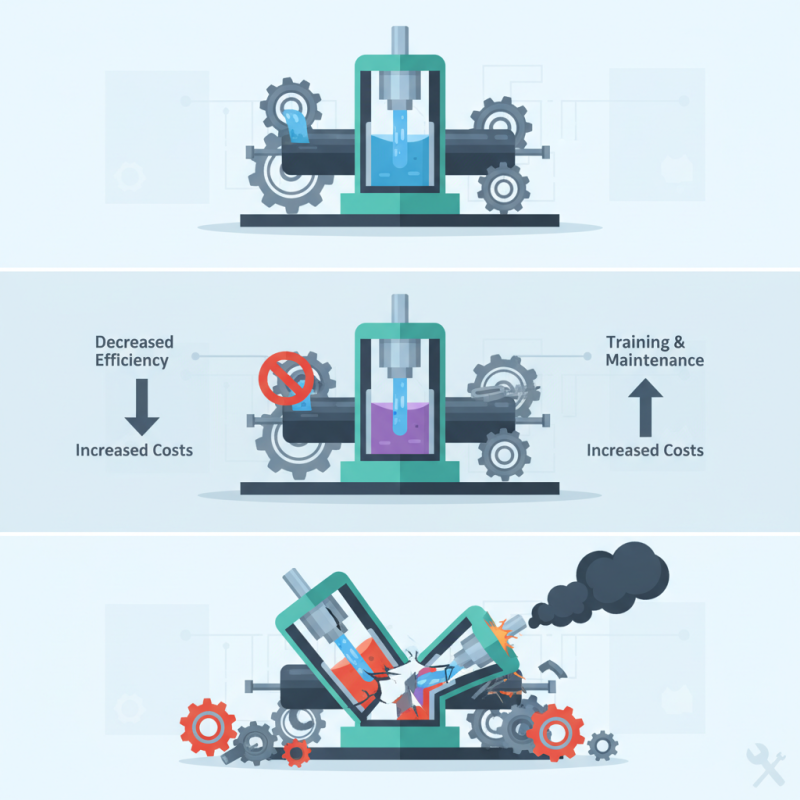
When Hydraulic Lock occurs, equipment can halt abruptly. This can result in expensive repairs and downtime. Operators must be trained to identify early signs of this problem. Regular maintenance and inspections are key to preventing hydraulic lock conditions. Ignoring these signs can lead to catastrophic results.

The implications of Hydraulic Lock extend beyond mechanics. It impacts productivity and operational costs. Companies relying on hydraulic systems must prioritize training and awareness. Understanding hydraulic systems deeply can enhance machine reliability. It’s a fundamental area that deserves more attention in industrial operations.
What is Hydraulic Lock and How Does It Affect Machinery?

What is Hydraulic Lock?

What is Hydraulic Lock and How Does It Affect Machinery?

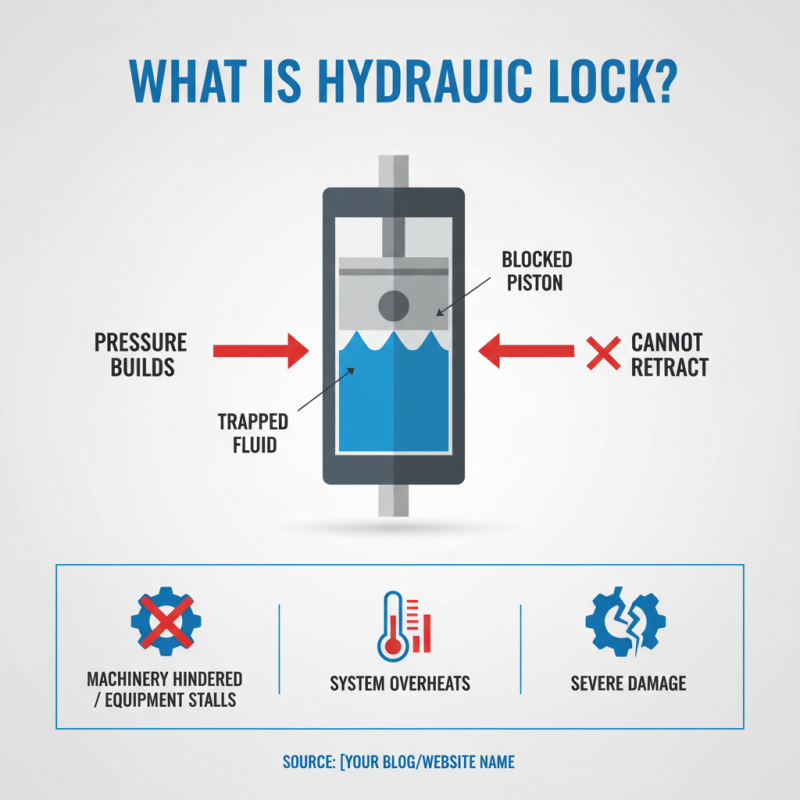
Hydraulic lock occurs when hydraulic fluid is trapped in a cylinder or component. This condition can significantly hinder machinery operation. For instance, if a hydraulic cylinder cannot retract, it may lead to equipment stalling. The pressure builds up, creating a blockage. As a result, the system may overheat or suffer severe damage.

This phenomenon can happen in various machinery, such as excavators and forklifts. Operators often fail to recognize the signs, leading to costly repairs. A sudden stop in movement or strange noises can indicate a potential hydraulic lock. Regular maintenance is essential to prevent this issue. It’s crucial to inspect seals and connections for leaks. Neglecting these checks can worsen problems.

Understanding hydraulic lock is vital for effective machinery operation. It requires practical knowledge and attention to detail. Equipment operators should be aware of the risks involved. Training programs can help improve awareness. However, relying solely on training may not be enough. Real-world experience is indispensable in effectively tackling hydraulic issues.
Causes of Hydraulic Lock in Machinery

Hydraulic lock can occur in machinery due to trapped fluid. This situation prevents the engine or motor from turning over. The main causes are contamination, improper fluid levels, and temperature fluctuations. Understanding these factors is essential for effective maintenance.

Contaminated fluids can clog hydraulic pathways. This can lead to a buildup of pressure. Be vigilant about the quality of hydraulic fluids. Regular testing can save you from severe machinery issues.

Low fluid levels create air pockets. These air pockets can lead to a hydraulic lock situation. Regular checks are vital. Make sure to monitor levels frequently.

Temperature changes affect fluid viscosity. A thick fluid can restrict flow, leading to hydraulic lock. Consider using heaters in colder climates. This can help maintain the proper fluid density. Taking these preventive measures will reduce downtime and improve machine reliability.

Effects of Hydraulic Lock on Machine Performance

Hydraulic lock can significantly impact machinery performance. This situation occurs when fluid gets trapped in a cylinder, preventing movement. The machinery becomes immobilized, leading to downtime. According to industry reports, hydraulic lock contributes to nearly 20% of unscheduled machinery failures. This statistic highlights the importance of effective fluid management.

When hydraulic lock occurs, it imposes stress on machinery components. Hydraulic systems are designed to operate within specific tolerances. Excess pressure can lead to seal failures or even catastrophic breakdowns. A survey by a leading engineering firm indicated that 35% of maintenance costs stem from hydraulic system failures. These costs can increase if machines are not properly maintained, underscoring the need for routine checks.

Recognizing hydraulic lock early is crucial. Indicators may include unusual noises or erratic machine behavior. Operators must be vigilant and trained. Proper training can reduce the likelihood of hydraulic lock significantly. The lack of awareness can be detrimental, resulting in not only financial losses but also safety issues. A proactive approach is essential to minimizing risks associated with hydraulic lock.

Prevention and Maintenance for Hydraulic Lock

Hydraulic lock can unexpectedly halt machinery operations. Understanding its prevention is crucial for maintaining productivity. Regular maintenance checks play a vital role. Inspect hydraulic systems for leaks or blockages. These can lead to pressure buildup, causing the lock.

Using the right fluid is essential. Contaminated or incorrect fluids can increase the risk of hydraulic lock. Implementing a filtration system helps remove impurities. Routine fluid analysis can detect issues early. This proactive approach lowers the likelihood of costly repairs.

Operators should receive training on recognizing symptoms of hydraulic lock. Unusual noises or sudden stops can signal trouble. Encouraging a culture of vigilance improves safety. Documenting maintenance activities enhances accountability. Such measures create a more reliable operation. Design and maintain machinery with redundancy in mind. This can provide backup in case of a hydraulic lock event.

Troubleshooting Hydraulic Lock Issues in Equipment

Hydraulic lock occurs when fluid gets trapped in hydraulic components. This situation can lead to significant issues in machinery operation. Identifying hydraulic lock is crucial for troubleshooting. Common symptoms include unusual noises, failure to move, or overheating. These indicators often mean immediate action is necessary.

To troubleshoot hydraulic lock, start by checking for obstructions in the lines. Inspect hoses and valves for blockages or leaks. Ensure proper fluid levels; low fluid can cause air to enter the system. Sometimes, even the type of hydraulic fluid can play a role. Swapping fluids may resolve issues if the current one is incompatible.

Regular maintenance helps prevent hydraulic lock. Be proactive with inspections and replace worn parts as needed. Operators should be trained to recognize symptoms early. Clear manuals can guide users through basic troubleshooting. A systematic approach often leads to faster resolutions. Addressing hydraulic lock requires both experience and careful analysis. It’s a constant learning process for many in the field.

What is Hydraulic Lock and How Does It Affect Machinery? - Troubleshooting Hydraulic Lock Issues in Equipment

Issue Description Symptoms Potential Causes Troubleshooting Steps
Hydraulic Lock A condition where hydraulic fluid is trapped in a hydraulic system, preventing movement. Inability to move parts, unusual noises, pressure gauge reading loss. Contaminated fluid, air in the system, faulty valves. Check fluid quality, bleed the system, inspect valves for malfunction.
Low Fluid Levels Insufficient hydraulic fluid can lead to hydraulic lock. Warning lights, sluggish operation. Leaks, failure to top up. Refill fluid to appropriate levels, check for leaks.
Faulty Pump The hydraulic pump may not deliver the required pressure. Intermittent operation, abnormal noises. Worn components, incorrect installation. Inspect pump operation, replace if faulty.
Valve Malfunction Control valves may not operate correctly, causing lock. Sticking valves, erratic movements. Dirt, rust, or damage. Clean or replace valves, ensure alignment.