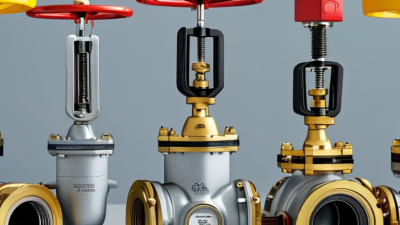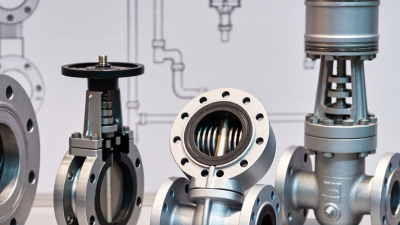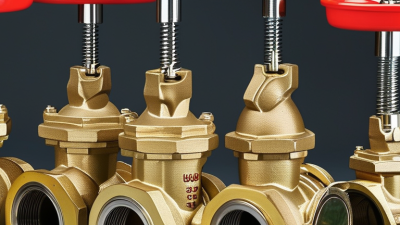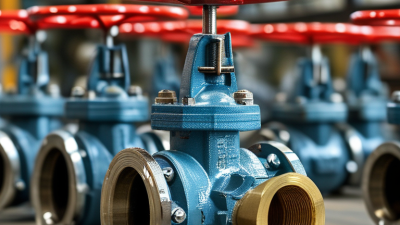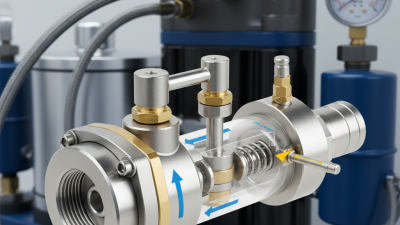
Choosing a Manual Check Valve in 2026 begins with a practical question: what does “manual” mean in the supplier’s specification? Conventional check valves prevent reverse flow automatically, while some products use manual controls or require manual resetting. The terminology is not always consistent. Verify the operating principle before comparing models.
The market context is growing. Grand View Research’s Industrial Valves Market Size, Share & Trends Analysis Report estimated the global industrial valves market at approximately USD 78.1 billion in 2023, with projected growth through 2030. This figure covers industrial valves broadly, not manual check valves alone. Still, it reflects the range of applications and products buyers may encounter. Small details matter.
For a sound selection, compare operating pressure, temperature range, flow capacity, connection type, body and seal materials, and installation orientation. Then consider the actual service: clean water, oil, air, or a process fluid with particles. A valve that suits a clean test line may perform poorly in a vibrating pump circuit. Not just price. Ask suppliers for rated performance data, applicable test documentation, and maintenance requirements. Check how the valve behaves during startup and whether inspection requires line isolation. These points can prevent avoidable downtime, but they do not replace application-specific engineering review. Even a clear datasheet may leave questions about real operating conditions. That uncertainty deserves attention. This guide explains how to assess specifications, verify claims, and choose a Manual Check Valve that fits the system rather than just the catalog.
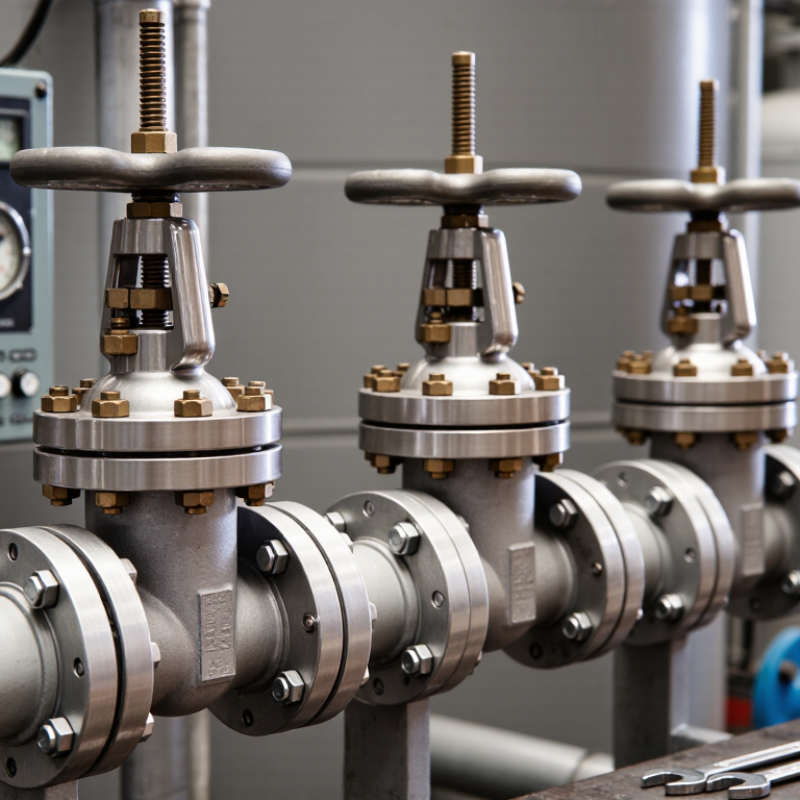
Before choosing a manual check valve, define what the system must do. Is it protecting a pump from reverse flow, isolating a line, or allowing an operator to control a bypass? These are different duties.
A check valve typically prevents reverse flow automatically, while a manual valve requires operator action. Confirm the intended function in the equipment specification. This distinction matters.
Map the normal flow direction on a simple piping sketch, including startup, shutdown, and any alternate operating paths. Then record the fluid, temperature, operating pressure, expected flow rate, and installation orientation.
A label such as “water” is rarely enough; water may contain grit, additives, or cleaning chemicals. Check that body and seal materials suit the actual fluid.
Also compare the valve’s flow capacity and opening pressure with the pump or process requirements.
Too much restriction can reduce delivery.
Too little attention to reverse-flow conditions can invite pressure surges.
Shortcuts add risk.
If the duty is uncertain, verify it with the system designer or a qualified valve supplier before ordering.
Field conditions can differ from drawings, so leave room to revisit assumptions.
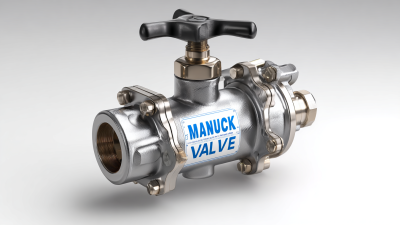
Before choosing a manual check valve, clarify the function you need. A standard check valve prevents reverse flow automatically; it is not usually opened by hand. If an operator must isolate the line, specify a separate manual shutoff valve or a design with a manual override. This distinction is easy to miss on a crowded piping drawing.
Choose the check-valve type for the flow and installation. A swing design often suits lower-velocity water lines, while a lift or spring-assisted design may close faster in compact piping. Dual-plate valves can save space between flanges. Check the manufacturer’s pressure-drop and flow data, and confirm the valve’s orientation requirements. Small details matter.
Select body, trim, and seal materials for the actual fluid, temperature, and pressure. Stainless steel may resist many corrosive environments, but it is not suitable for every chemical. Bronze or ductile iron can work in some water services; verify compatibility and operating limits. For seals, compare options such as EPDM or FKM against the fluid and temperature range. Include cleaning agents, not just the normal process fluid. A material table can look reassuring, yet leave out a changing operating condition. Review those assumptions before ordering.
Match the valve to actual operating conditions, not just the pipe diameter. A valve’s nominal size may fit the line but still restrict flow or allow excessive pressure loss. Check expected minimum, normal, and peak flow rates, then review the valve’s flow data and pressure drop. Small details matter.
Pressure and temperature ratings must suit the system together. A material rated for a certain pressure at room temperature may have a lower allowable rating when hot. Check the manufacturer’s published limits for the selected body and seal materials, including temperature changes during startup or cleaning. Leave a sensible margin rather than selecting a valve right at its limit. That can feel overly cautious, but operating conditions rarely stay perfectly steady.
Confirm the required connection size, flow direction, and installation position. Check valves prevent reverse flow, but product terminology can vary, so verify whether the device also provides manual shutoff. For a pump line, compare the valve’s opening pressure with the pump’s available pressure, and consider how much flow the system loses across it. A brief review of the technical data sheet can catch a mismatch before installation. Pipe size alone is a poor shortcut.
Choosing a manual check valve in 2026 starts with clarifying the term. A check valve usually opens and closes automatically in response to flow; it is not operated by hand. Confirm whether the specification means a check valve with a manual bypass or simply a valve selected and inspected manually. Record the fluid, temperature, operating pressure, expected surge, pipe size, and flow direction. Small details matter. A cramped ceiling space can make later inspection difficult.
Check installation requirements against the governing project codes and the standards adopted locally. ASME B16.34 addresses valve pressure-temperature ratings and construction; API 594 covers several check-valve designs. For drinking-water contact, NSF/ANSI/CAN 61 may also apply. Requirements vary by service and jurisdiction, so verify the edition cited in the contract. The U.S. EPA’s 2023 Drinking Water Infrastructure Needs Survey and Assessment estimated $625 billion in needs over 20 years. That figure covers system-wide needs, not valve spending, but it underscores the value of maintainable installations.
Before ordering, confirm end connections, materials, pressure rating, and installation orientation with the drawings and valve documentation. Follow the specified flow arrow, and check whether the chosen design permits horizontal or vertical installation. Leave room to remove the cover or internals, and provide isolation where maintenance procedures require it. Drawings are sometimes outdated. Verify the actual pipe layout on site, and document any mismatch before installation.
Compare Maintenance, Testing, and Lifecycle Costs
A low purchase price can hide costs in access, downtime, and replacement parts. Check what “manual” means in the product documentation. Some designs allow manual isolation or reset; others serve a different operating role. Confirm the valve’s function, materials, pressure rating, and connection type against your system conditions. That matters.
Estimate routine maintenance before comparing quotes. Can a technician reach the valve without removing nearby pipework? Are seals or other wear parts replaceable? A valve that requires frequent removal may cost more in labor than its price suggests. Small detail. Ask suppliers for recommended inspection intervals and available service procedures, then compare them with your maintenance plan.
Testing also affects lifecycle cost. Find out how the valve’s function can be checked safely in place, and whether testing requires isolation, special equipment, or a planned shutdown. Follow the manufacturer’s procedures and site requirements; test methods vary by design and application. Not always. A longer service life is valuable only if performance can be verified and maintenance remains practical. Record expected inspection labor, replacement parts, and downtime over the planned service period. These estimates are imperfect, especially when operating conditions change, but they make comparisons more useful than purchase price alone.