What Are the Top Manual Check Valve Types in 2026?
A check valve may look simple on a piping diagram, yet its internal motion can shape pressure loss, noise, and maintenance needs. In 2026, choosing a Manual Check Valve begins with a small but important distinction: most check valves open and close automatically in response to flow. “Manual” may describe inspection or system control, not the valve’s normal action.
Valve engineer John V. Ballun’s practical selection approach can be paraphrased this way: “Match the valve to the flow conditions, not just the pipe size.” This is a paraphrase, not a verbatim quotation. It points to details engineers can verify: fluid direction, operating pressure, installation angle, and the space available for the disc to move.
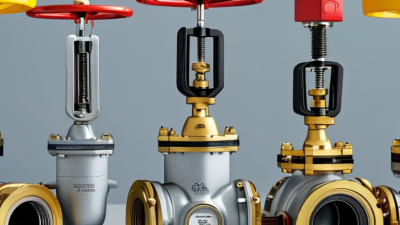
Small details matter. A swing check valve uses a hinged disc. A lift check valve moves vertically against its seat. Dual-plate designs can reduce weight and fitting space, while piston styles suit different pressure and flow needs. Foot valves add a strainer at a pump intake. Each type has trade-offs; no single design suits every line.
This guide compares the leading types, their typical uses, and the limits worth checking before selection. A valve that works quietly in a clean water line may behave differently with viscous fluid or frequent flow changes. That distinction is easy to miss. We will also flag where product specifications and operating data should guide the final choice.
How Manual Check Valves Control One-Way Flow
How Manual Check Valves Control One-Way Flow
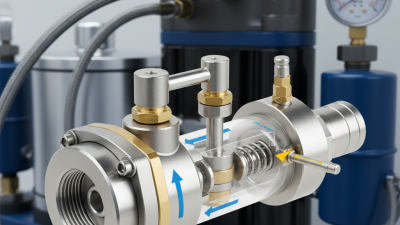
A check valve allows fluid to move in one direction and resists reverse flow. Most check valves work automatically, not by hand. Forward pressure lifts or shifts an internal part, opening a passage. When pressure falls or reverses, that part returns to its seat. Direction matters. A spring-loaded model may close quickly, while a swing check uses a hinged disc that moves with the flow.
Common designs include swing, lift, spring-loaded, and ball check valves. Each responds differently to pressure, flow rate, and installation position. A swing valve often suits larger lines with steady flow. Lift and spring-loaded designs can close faster, though the pressure drop may be higher. Ball checks use a moving ball to seal the passage; debris or wear can affect how well it seats. Real-world performance depends on sizing and fluid conditions, not just the valve type.
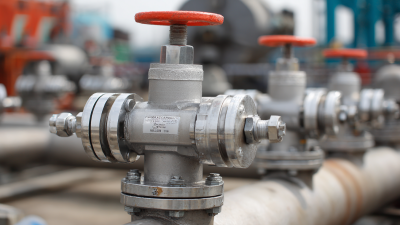
The term “manual check valve” can be confusing. A handwheel shutoff valve is different: it can stop flow, but it does not automatically block reverse flow. Some systems pair a check valve with a manual bypass or isolation valve for testing and maintenance. That distinction is easy to overlook. Check the flow arrow on the body, confirm the installation orientation, and consider what happens during pump shutdown. Even a correctly selected valve may chatter if flow is unstable.
The Main Manual Check Valve Types in 2026
What Are the Top Manual Check Valve Types in 2026?
The Main Manual Check Valve Types in 2026
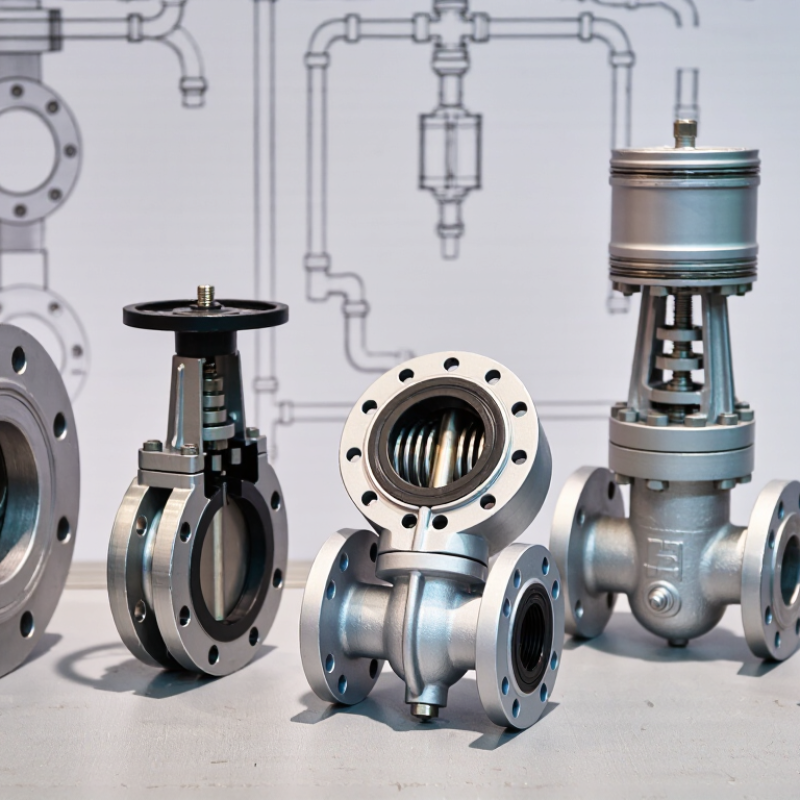
“Manual check valve” is an imprecise term: most check valves open and close automatically as flow changes. In 2026, the useful comparison is between internal designs, not hand-operated controls. A swing check uses a hinged disc and suits steady flow in horizontal lines. It may slam when flow reverses quickly. A lift, or piston, check guides a disc vertically and often suits higher-pressure service. It can be sensitive to debris and installation angle. Small passages matter.
Ball checks seal with a moving ball and can handle some solids in drainage or slurry service. Confirm media compatibility and seat materials. Dual-plate wafer checks use two spring-loaded plates, saving space in compact piping. However, narrow openings may increase pressure loss. Spring-assisted or nozzle-style checks close quickly and may limit water hammer in suitable systems. Not a cure-all. Choose by flow rate, pressure, fluid, mounting position, and maintenance access. Check cracking pressure against actual operating conditions. A check valve is not an isolation valve; add a shutoff where servicing needs positive closure. Field conditions can still surprise you.
How Valve Designs Differ in Flow and Pressure Performance
What Are the Top Manual Check Valve Types in 2026?
How Valve Designs Differ in Flow and Pressure Performance
Check-valve design changes pressure loss, response, and maintenance needs. Swing checks use a hinged disc, which opens with forward flow and usually offers a relatively open path. Lift checks guide a disc or piston vertically; their tighter flow path can create greater resistance. Dual-plate designs fit compact lines, while ball checks can suit some services with suspended solids. Many check valves operate automatically; “manual” may refer to a reset or override feature, not how the valve normally prevents backflow.
Crane Technical Paper No. 410 compares fitting losses using the resistance coefficient K. Its reference tables place full-open swing checks at about K=2 and lift checks near K=10, though actual loss depends on size and construction. The relationship ΔP=Kρv²/2 shows why pressure loss rises sharply as flow velocity increases. That distinction is easy to miss. A high-K valve in a small, fast-flowing line may consume more pressure than expected, even when its nominal size matches the pipe.
Tips: Check the manufacturer’s tested pressure-drop curve at your actual flow, fluid density, and orientation. Confirm cracking pressure and surge conditions too. A neat catalog number is not a field test. For critical service, verify performance against commissioning measurements.
How to Choose a Manual Check Valve for an Application
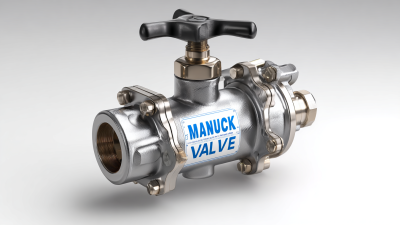
A check valve usually works without a handwheel: forward flow opens it, and reverse flow closes it. If an operator must open or shut it by hand, confirm whether the specification means a manual isolation valve, a check valve with a manual bypass, or a specialty manually reset design. That distinction matters. Drawings and datasheets sometimes use the term loosely.
Choose the body style around the fluid and installation, not its name alone. Swing checks suit many liquid lines but need room and may slam when flow stops suddenly. Lift or spring-assisted models can respond quickly, though they may create more pressure loss. Dual-plate designs save space between flanges. Small details matter. Check the media, temperature, working pressure, pipe orientation, flow rate, allowable reverse leakage, and cracking pressure. For a pump discharge line, consider how the valve closes during startup and shutdown; a loud knock can signal water hammer. Specify compatible wetted materials and connection dimensions, then check service access. I would still verify the actual installation: pulsating flow, debris, or an unusual mounting angle can affect performance. If hand operation is essential, state the required action and fail position explicitly, rather than relying on the phrase “manual check valve.”
Materials, Installation, and Maintenance Considerations
Swing, lift, and ball-style check valves suit different flow conditions, but the service fluid should guide material choice. Stainless steel often handles corrosive or frequently cleaned systems, while bronze may suit compatible water duties. Plastics can work in some chemical services, but temperature and pressure limits matter. Check compatibility.
The phrase “manual check valve” can be confusing. Most check valves close automatically; a lever may be for testing or locking, not routine flow control. Confirm the device’s actual function before specifying it. During installation, follow the flow-direction arrow and the maker’s position requirements. A swing type may need room for its disc to move, while a lift type can be more sensitive to orientation. Keep access clear.
Maintenance should match operating conditions, not just a calendar. Look for leakage, rattling, slow closure, and deposits around the seat. Isolate and depressurize the line before inspection, following site procedures. Replace worn seals or damaged parts with compatible components. Even careful checks miss things; a small leak can be hard to spot until the system is running under load.