How to Choose a Pilot Operated Check Valve for Your System?
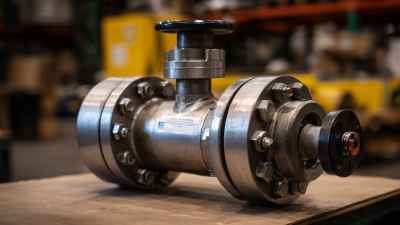
Choosing the right components for hydraulic systems is crucial. One of these components is the Pilot Operated Check Valve. This valve plays a key role in ensuring smooth operation and safety. It prevents backflow while allowing fluid to enter the system when needed.
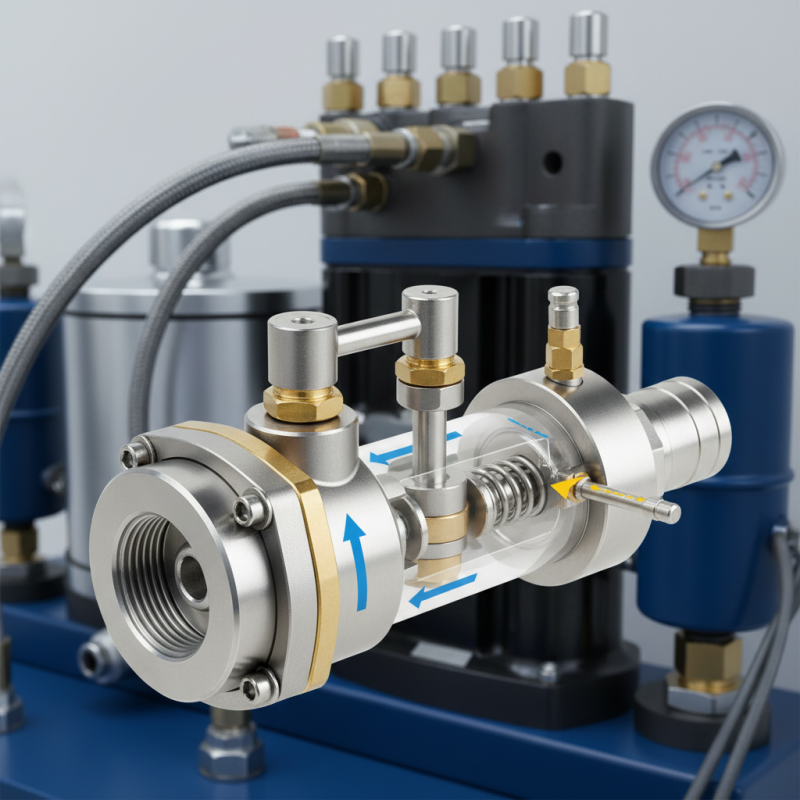
Understanding how a Pilot Operated Check Valve functions can greatly improve system efficiency. It relies on pilot pressure to open, which is an innovative design. This feature minimizes energy loss and simplifies system control. However, not all applications are the same. Factors such as pressure, flow rate, and medium type must be considered.
Selecting the wrong valve could lead to operational issues. It's essential to analyze the specific requirements of your system. Take the time to consult with experts or conduct thorough research. This ensures that you choose a Pilot Operated Check Valve that truly fits your needs, promoting reliability and longevity.
Understanding the Basics of Pilot Operated Check Valves
Pilot operated check valves are essential components in hydraulic systems. Understanding their basics can greatly improve performance and reliability. These valves control the flow of fluid, ensuring that it moves in one direction while preventing backflow. This is crucial for maintaining system stability and efficiency.
When selecting a pilot operated check valve, consider the application’s pressure and flow requirements. The size of the valve must match your system. A mismatch can lead to inefficiencies. For example, smaller valves may not handle the required flow, while larger ones can cause delays in response times. Choosing the correct size is critical.
Moreover, it's important to reflect on the valve's response time. A lag in operation can lead to operational disruptions. Sometimes, users overlook the necessity of proper sealing and material compatibility. Using substandard materials can result in leaks or failures. Taking the time to assess these aspects will ensure a more reliable system performance. Knowledge of these basics can lead to better decisions and enhance overall functionality.
Understanding the Flow Characteristics of Pilot Operated Check Valves
This chart illustrates the key characteristics to consider when choosing a pilot operated check valve for your system. It includes flow rate, response time, pressure drop, and temperature range, which are vital for ensuring optimal performance and compatibility with your applications.
Key Factors to Consider When Selecting a Pilot Operated Check Valve
When selecting a pilot operated check valve, several key factors are crucial. First, consider the flow rate requirements of your system. The right flow rate ensures your system operates efficiently. Too low of a flow may cause pressure drops, while too high can lead to excessive wear. You should also evaluate the system pressure. A check valve must withstand peak pressures without failure. Always think about the medium your valve will handle. Different liquids or gases can affect materials and performance.
Next, examine the size and configuration of the valve. An improperly sized valve can disrupt the entire system. It's essential to align the valve's size with piping dimensions and configuration. This prevents installation issues. Pay attention to the pilot pressure control mechanism as well. This part is vital for the valve's operation, helping it to open and close correctly.
Lastly, consider the environment where the valve will operate. Factors like temperature, humidity, and potential contaminants play significant roles in durability. Don't overlook the maintenance needs as well. A more complex valve might offer better performance, but it could also require more upkeep. Understanding these details can significantly impact your choice of valve and the overall system efficiency.
Evaluating System Requirements for Valve Performance
When selecting a pilot operated check valve, evaluating system requirements is critical for ensuring efficient performance. Understand the fluid characteristics in your system, including temperature, viscosity, and pressure. According to industry reports, up to 70% of valve failures can be traced back to incorrect specifications. Selecting the right materials can prevent issues like corrosion and wear, which often reduce valve lifespan.
Tip: Always assess the flow rate and pressure drop across the valve to avoid installation issues. A mismatch in flow requirements can lead to unpredictable performance.
Another factor to consider is the valve size. An improperly sized valve can lead to poor operation, including chatter or complete valve failure. Research indicates that nearly 30% of systems have valves that do not fit their operational design. Remember that pilot operated check valves are intended to offer precision. They require careful integration with your hydraulic system to function optimally.
Tip: Regular maintenance and monitoring can help detect signs of wear early. Some systems may benefit from installing additional pressure sensors to track valve performance over time.
Common Applications of Pilot Operated Check Valves in Various Industries
Pilot operated check valves play an essential role across various industries. Their ability to prevent backflow while allowing free flow in one direction is crucial for many hydraulic systems. In construction and manufacturing, these valves are often utilized for hydraulic lifts and presses. According to a recent industry report, nearly 30% of hydraulic system failures are due to improper flow control. This underscores the importance of using reliable check valves.
In the automotive sector, pilot operated check valves ensure efficient operation of hydraulic brakes. In fact, more than 40% of modern vehicles employ such systems for enhanced safety. Their precise action and responsiveness to system pressure significantly improve performance. Additionally, in oil and gas, these valves are vital for maintaining pressure in pipelines. A survey indicated that 25% of pipeline leaks could be mitigated by proper valve selection.
The versatility of pilot operated check valves extends to renewable energy as well. They are used in wind turbine systems to manage hydraulic pitch control. However, selecting the right valve can be challenging. Engineers must consider factors like pressure ratings and fluid compatibility. Missteps in choosing the correct valve might lead to increased maintenance costs.
How to Choose a Pilot Operated Check Valve for Your System? - Common Applications of Pilot Operated Check Valves in Various Industries
| Industry |
Common Application |
Key Benefits |
Considerations |
| Manufacturing |
Fluid Transfer Systems |
Prevents backflow, increases efficiency |
Ensure compatibility with fluids |
| Automotive |
Brake Systems |
Safety enhancement, reliability |
Pressure rating must meet standards |
| Chemical Processing |
Reactor Control |
Minimizes risk of contamination |
Corrosion resistance is essential |
| Oil and Gas |
Pipeline Systems |
Prevents leaks, enhances safety |
High pressure and temperature ratings required |
| Water Treatment |
Flow Regulation |
Improves water quality, efficiency |
Must be able to handle various water types |