China Best Pressure Control Valves Manufacturers
Pressure Control Valves protect equipment, stabilize flow, and help process systems respond to changing loads. Their importance is visible in practical details: a steady gauge needle, a pump avoiding pressure spikes, and a production line holding its setpoint. Yet choosing a valve by catalog pressure alone can miss the real operating conditions.
The market is substantial. Fortune Business Insights estimated the global industrial valves market at USD 78.4 billion in 2023 and projected growth to USD 115.7 billion by 2032. This figure covers industrial valves broadly, not pressure-control products alone, so it should not be read as a segment forecast. Still, it signals the scale of demand across process industries. Béla G. Lipták, an instrumentation and control engineering authority, offers a useful perspective in his handbook: “A control valve must be considered as part of the control loop, not merely as a mechanical device.” This is a paraphrase, not a verbatim quotation. The distinction matters when comparing manufacturers.
For buyers researching China Best Pressure Control Valves Manufacturers, credible evaluation starts with more than price. Check pressure ratings, materials, test documentation, response characteristics, and support for the intended medium. Ask how performance is verified. Ask again when answers are vague. A polished datasheet helps, but it cannot replace application-specific evidence. Even careful selection has limits; installation and maintenance still shape results.
What Pressure Control Valves Do in Industrial Systems
In industrial systems, pressure control valves keep fluid or gas pressure within a usable range. A pressure-reducing valve lowers high inlet pressure for downstream equipment. A relief valve opens when pressure rises beyond its set point, helping protect pipes, vessels, and instruments. Some systems use back-pressure valves to maintain pressure upstream. The right function depends on where pressure must be controlled.
Consider a compressed-air line feeding a packaging machine. Sudden demand changes can make pressure fluctuate, affecting cylinder speed and product handling. A properly selected valve helps steady the supply, but it cannot fix every problem. Incorrect sizing, blocked sensing lines, or poor installation can cause unstable control. I have seen small commissioning details matter more than expected; checking actual operating conditions is essential. Pressure, flow rate, temperature, and fluid compatibility all influence valve selection.
Tips: Check pressure readings on both sides of the valve during normal operation and peak demand. Keep sensing connections clear, and inspect for leaks or unusual vibration. Record set points and maintenance findings. These checks are simple, but they are easy to overlook.
China Best Pressure Control Valves Manufacturers - What Pressure Control Valves Do in Industrial Systems
| Valve Type |
Primary Function |
Pressure Sensed or Controlled |
Typical Industrial Use |
Key Selection Consideration |
| Pressure-reducing valve |
Reduces a higher inlet pressure and maintains a lower downstream pressure, within the valve’s operating limits. |
Downstream pressure |
Supplying equipment or branches that require a lower pressure than the main line. |
Check the required outlet pressure, flow capacity, fluid compatibility, and inlet-pressure range. |
| Pressure-relief valve |
Opens to limit pressure when it rises above a set level, diverting or discharging flow to protect equipment. |
Pressure at the protected system or valve inlet |
Hydraulic circuits, pumps, and process systems that need protection from overpressure. |
Confirm the set pressure, required relieving capacity, discharge arrangement, and applicable system requirements. |
| Safety valve |
Provides overpressure protection and is commonly designed to open rapidly when the set pressure is reached. |
Pressure in the protected vessel or system |
Pressure vessels, boilers, and other systems where safety-device requirements apply. |
Selection and installation should follow the relevant codes, service conditions, and equipment specifications. |
| Back-pressure valve |
Maintains pressure upstream by restricting flow or opening as upstream pressure reaches its set point. |
Upstream pressure |
Process lines, metering systems, and systems that require stable pressure before downstream equipment. |
Consider the required upstream pressure, flow variation, fluid properties, and allowable pressure drop. |
| Sequence valve |
Allows flow to a secondary part of a hydraulic circuit after pressure reaches a specified level. |
Pressure in the primary circuit |
Hydraulic machinery that must operate actuators in a defined pressure-dependent sequence. |
Check the desired sequence pressure, circuit layout, leakage requirements, and return-flow conditions. |
| Unloading valve |
Redirects pump flow to a low-pressure path when a preset pressure condition is met, reducing the load on the pump. |
Pressure in the hydraulic circuit or accumulator line |
Hydraulic systems using accumulators or pump arrangements that need flow unloaded under defined conditions. |
Verify the unloading pressure, flow capacity, response needs, and compatibility with the pump and circuit. |
Note: Valve performance depends on design, sizing, installation, fluid properties, and operating conditions. Confirm pressure settings and safety requirements against the equipment documentation and applicable standards before specifying or operating a valve.
Common Types of Pressure Control Valves Made in China
Common Types of Pressure Control Valves Made in China
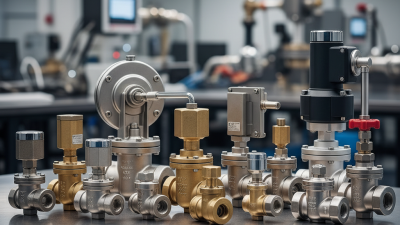
Pressure control valves made in China serve distinct duties; they are not interchangeable.
Pressure-reducing valves maintain a lower downstream pressure, useful when a pump feeds equipment with a tighter operating range.
Back-pressure valves hold upstream pressure above a setpoint, while
relief valves open as pressure rises to divert excess flow. Different jobs.
Differential-pressure regulators stabilize pressure across a filter, heat exchanger, or building circuit. Hydraulic sequence valves, by contrast, trigger another action once a preset pressure is reached. Designs may be direct-acting or pilot-operated. The right choice depends on flow, fluid, temperature, and how much pressure fluctuation the process can tolerate.
The International Energy Agency’s Energy Efficiency 2023 report estimates that industry accounts for about
37% of global final energy use.
That figure makes stable process control relevant, though a valve alone cannot guarantee energy savings.
In practical selection, check the operating range and materials against the actual fluid. Ask for pressure-drop and flow data, not just nominal size. Small details matter. Sizing can still be imperfect when operating conditions vary, so commissioning readings should be compared with the design assumptions.
How Chinese Manufacturers Design and Produce Pressure Control Valves
China Best Pressure Control Valves Manufacturers
How Chinese Manufacturers Design and Produce Pressure Control Valves
Pressure control valve design starts with process conditions, not a catalogue. Engineers define inlet pressure, outlet setpoint, flow range, fluid temperature, and expected pressure swings. They size the trim and body using flow calculations and applicable IEC 60534 guidance. For gas or liquid service, teams assess cavitation, noise, leakage, and actuator response. Small details matter. Seat geometry, spring range, and sensing-line position can affect stability in the field. MarketsandMarkets valued the broader control-valve market at US$7.5 billion in 2023 and forecast US$9.8 billion by 2028. That figure covers many valve types, not pressure-control valves alone.
Production turns those calculations into machined bodies, fitted internals, and calibrated assemblies. Manufacturers inspect material certificates, machine sealing surfaces, remove burrs, and check dimensions before assembly. Pressure testing can follow ISO 5208, while setpoint and response checks help confirm operation under controlled conditions. Test records should link each unit to its materials and inspection results. A drawing can look perfect and still miss a real installation constraint. That is why feedback from commissioning and maintenance matters. Factory tests cannot reproduce every vibration, pressure fluctuation, or installation error, so specifications and test limits need careful review.
How to Evaluate Pressure Control Valve Manufacturers in China
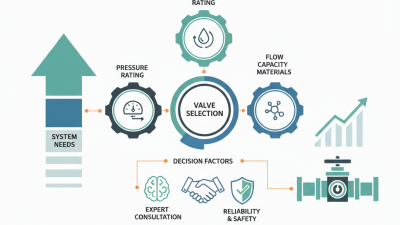
Choosing a pressure control valve manufacturer in China takes more than comparing quotations. Start with the operating conditions: inlet pressure, required outlet range, fluid, temperature, flow rate, and connection size. Ask for a datasheet stating accuracy, pressure drop, materials, and test methods. A clear answer is useful. A vague promise is not.
Review whether the supplier can explain how its design responds to changing demand, startup surges, and contamination. Request inspection records, pressure-test results, and material certificates where relevant. Check production controls and traceability, not just a polished factory video. If possible, speak with technical staff and inspect a valve or test setup. Real evidence matters.
Tips: Send the same specification to every candidate. Compare like with like. Ask who handles calibration, spare parts, and technical support after delivery. Confirm lead times and acceptance criteria in writing. A factory visit can help, but it cannot replace documented tests. One successful sample does not prove long-term reliability; that assumption deserves a second look.
Industries Served by China’s Pressure Control Valve Suppliers
China’s pressure control valve suppliers serve industries where stable flow and predictable pressure matter. In chemical processing, valves help maintain setpoints across dosing lines, reactors, and storage systems. A small pressure swing can affect product consistency, so buyers should check whether the valve suits the fluid, temperature, and operating range.
Water treatment plants use pressure-control equipment in filtration, pumping, and distribution networks. Energy facilities may need valves for steam or fuel systems, while factories use them on compressed-air lines and hydraulic equipment. HVAC projects also rely on pressure regulation to keep water circuits balanced. Applications differ. A valve suitable for clean water may not perform well with abrasive media or corrosive chemicals. Supplier capability, testing records, materials, and service support deserve review; the catalogue alone is not enough.
Tips: Share the actual pressure range, medium, temperature, connection size, and operating cycle when requesting a quotation. Ask for relevant inspection documents and clarify how the valve will be maintained. Measure both. One detail is easy to miss: fluctuating inlet pressure can change performance, even when the selected valve appears correctly sized. A clear duty description helps suppliers recommend equipment, but final selection should be checked against the system design.
Pressure Reference Points for Pressure-Control Valve Applications
Pressure-control valves are used in industries such as oil and gas, chemical processing, power generation, water treatment, and HVAC. This chart converts selected pressure values from bar to psi; it does not represent industry-specific operating setpoints.