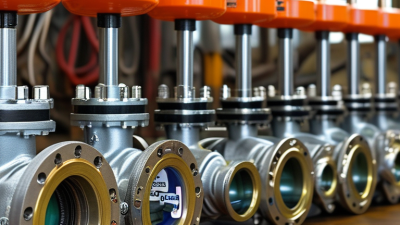
China Best Pilot Operated Relief Valve Suppliers?
Choosing a reliable Chinese supplier for a Pilot Operated Relief Valve starts with the application, not a price list. These valves are used where controlled pressure relief and stable operation matter. The right choice depends on working pressure, flow rate, fluid properties, temperature, and the system’s connection requirements. Small differences in these details can affect sizing and performance.
A useful supplier comparison looks beyond product descriptions. Check whether the datasheet identifies set pressure, pressure range, materials, connection size, and operating limits. Ask how each valve is tested and whether inspection records can be provided for the specific order. Clear answers make technical review easier. Vague claims do not.
Factory experience may be relevant, but it should be supported by evidence. Request product drawings, material specifications, quality documentation, and references for comparable applications when available. If a project has unusual conditions, ask the supplier’s engineers to review them before finalizing the selection. A quick quotation is not the same as a verified recommendation.
Details matter. So does communication.
This guide explains practical ways to compare China-based suppliers, assess product information, and prepare useful questions before requesting a quote. It does not treat any company as “best” for every application; requirements differ, and supplier capabilities should be checked directly. One point is easy to overlook: even a well-made valve may be unsuitable if its specifications do not match the system. That deserves a second look.
What Is a Pilot-Operated Relief Valve?
What Is a Pilot-Operated Relief Valve?
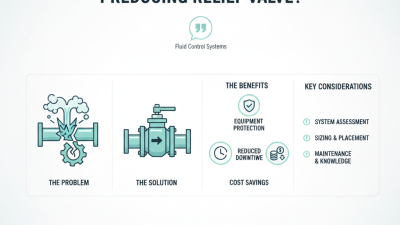
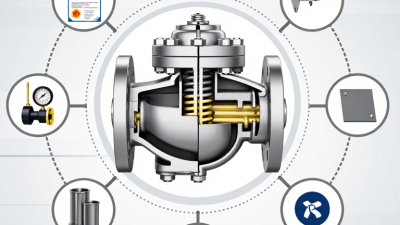
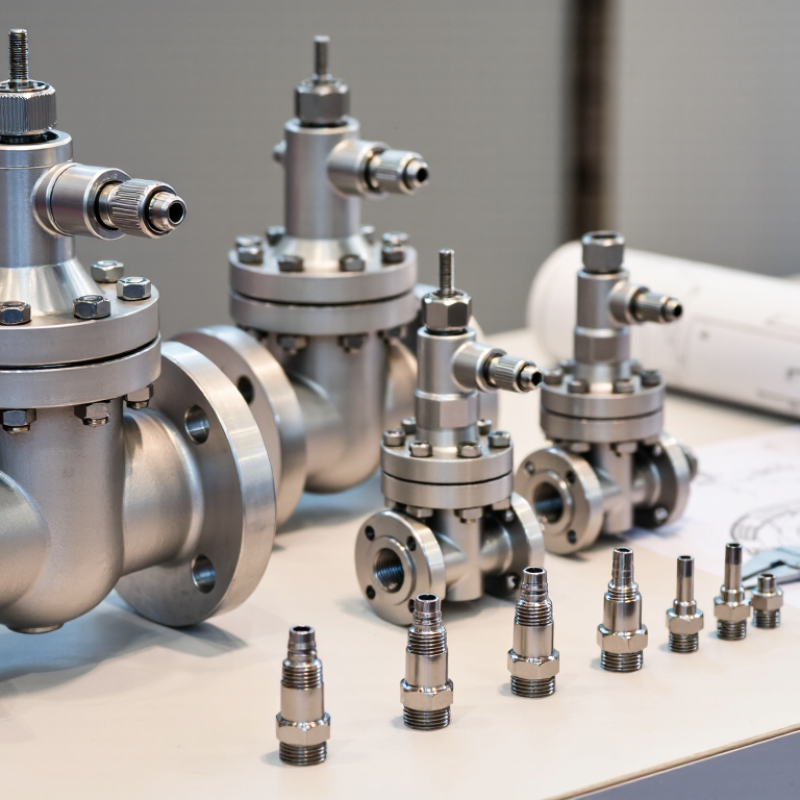
A pilot-operated relief valve uses a small pilot valve to control a larger main valve. The pilot senses pressure in the protected system. Below the set pressure, system pressure helps keep the main valve closed. When pressure reaches the pilot’s set point, the pilot changes the pressure balance, allowing the main valve to open and release fluid. Once pressure falls, the valve can close again. The exact sequence varies by design. The concept sounds simple; field behavior is less tidy.
This arrangement can provide accurate pressure control and handle high flow rates with relatively little pressure buildup. For example, on a process line, the pilot responds to upstream pressure while the main valve manages the larger discharge. That distinction is easy to overlook. These valves may be sensitive to dirty fluid, blocked sensing lines, or unsuitable installation conditions. Small details matter. Selection should account for operating pressure, fluid properties, temperature, backpressure, and required capacity. A qualified engineer should verify sizing and installation against the system’s actual conditions. No valve is magic, and a poor match can undermine otherwise sound protection.
How to Assess Chinese Valve Suppliers
China Best Pilot Operated Relief Valve Suppliers? How to Assess Chinese Valve Suppliers
Assess Chinese suppliers by checking engineering evidence, not polished catalogues. Request pressure-setting ranges, certified capacity data, materials lists, and drawings for the exact valve configuration. For a pilot-operated relief valve, ask how the pilot responds to backpressure, contamination, and pressure fluctuations. Small details matter. A clear answer should connect operating conditions to a tested design, not just promise “high performance.”
The ISO Survey 2022 recorded 1,265,216 ISO 9001 certificates worldwide. This shows the standard’s broad use, but certification alone does not prove valve quality or test competence. Ask for the supplier’s certificate scope, recent audit findings, and records linking material heat numbers to finished valves. Request witnessed testing where practical, including set-pressure checks and leakage results. Compare these against applicable project specifications and recognized references such as API 520 and API 527. Confirm which editions and acceptance criteria the supplier actually uses.
Factory checks can reveal gaps that documents miss. Look for calibrated gauges with current calibration records, traceable test benches, and technicians who can explain failed-test handling. Ask for a sample inspection report before placing an order. I would not rely on a single visit; it can show a tidy line, not consistent production. Verify sample results against routine batch records, delivery history, and after-sales response times. A supplier’s honest account of limits is often more useful than a perfect presentation.
Key Manufacturers and Their Product Specialties
China’s pilot-operated relief valve suppliers often specialize by pressure range, media, and operating conditions. Some focus on high-capacity gas systems; others build compact valves for liquid lines or equipment with limited installation space. Pilot design matters: a remote sensing line can improve stability, but poor routing may invite blockage or pressure lag. Details matter.
Grand View Research estimated the global industrial valves market at about USD 79 billion in 2023 and projected 4.5% annual growth through 2030. This broad market figure is not specific to pilot-operated relief valves, but it signals sustained demand for dependable flow-control equipment. For buyers comparing Chinese suppliers, ask which applications their products are tested for, rather than relying on a general catalogue description. Request capacity curves, set-pressure tolerances, material certificates, and documented factory test results.
Supplier strengths may include custom inlet and outlet sizes, corrosion-resistant trim, or configurations designed for variable backpressure. Some manufacturers also offer engineering support for sizing and pilot-line layouts. Verify whether that support includes calculations for your actual temperature, medium, and operating pressure. A neat brochure is not proof. I would also check how the supplier records test conditions; this detail is easy to overlook, and sometimes it is.
How to Compare Quality, Certifications, and Support
When comparing China-based pilot-operated relief valve suppliers, look beyond price and catalogue claims.
A dependable valve should match the specified pressure range, flow capacity, connection size, and process conditions. Ask how the supplier controls spring selection, diaphragm or piston fit, and internal surface finish. These details affect repeatability.
Small details matter.
Request sample inspection records and pressure-test results tied to the valve’s serial number, not just a generic report.
Certifications can help, but verify their scope and validity.
Check whether the certificate covers the actual factory, product type, and manufacturing process you are evaluating. Ask for material traceability documents and calibration records for test equipment.
A polished certificate alone proves little.
The comparison is rarely tidy: one supplier may document quality well but provide limited performance data. That gap deserves a closer review, not an automatic rejection.
Support matters after delivery.
Ask who handles sizing questions, what response time is typical, and whether repair parts remain available. A useful supplier can explain installation limits and troubleshooting steps in clear technical language. Test this before ordering with a practical question about backpressure or operating conditions. Notice how directly the team responds.
I would not treat one quick reply as proof of lasting support, though;
confirm responsibilities and service terms in writing.
Steps for Verifying and Sourcing a Supplier
Before contacting pilot-operated relief valve suppliers, define the service conditions in writing. Record the fluid, operating pressure, temperature range, required capacity, and connection details. Small omissions matter. A valve selected from incomplete data may not perform as expected.
Ask for technical drawings, material specifications, pressure-setting tolerances, and capacity data for the proposed configuration. Check that the documents match the exact model and trim, not a similar product. Request records showing how the unit is tested, and ask how serial numbers connect to inspection results. Paperwork can look convincing. Verify that answers are consistent across the quotation, drawings, and test documents. If a supplier cannot explain a mismatch clearly, pause before proceeding.
Evaluate the supplier’s engineering support as well as its price. Ask who reviews application data, what information is needed before sizing, and how changes are documented. A factory visit or remote quality review can help confirm assembly and testing practices, though it cannot replace technical review. Where practical, have a qualified engineer check the proposed selection against the system design. I would not treat a polished brochure as proof of suitability; that assumption is easy to make, and worth questioning. Agree on inspection records, delivery scope, and support for commissioning before placing an order.
China Pilot-Operated Relief Valve Supplier Verification Checklist
Evidence checks to complete when verifying and sourcing a supplier. Counts represent the evidence items in this checklist—not supplier ratings or market statistics.