Leave Your Message

Top Bidirectional Relief Valve Suppliers Worldwide

The global search for reliable Bidirectional Relief Valve suppliers is becoming more demanding. Operators now expect pressure protection, traceable materials, and dependable performance in both flow directions. These requirements affect oil and gas, chemical processing, water treatment, energy, and industrial manufacturing.

Market research from Grand View Research and MarketsandMarkets indicates continuing investment in industrial valves, driven by infrastructure renewal, process automation, and stricter equipment reliability expectations. Their findings offer useful market direction, although they rarely isolate bidirectional relief valve demand. That limitation matters. Buyers should not treat broad valve forecasts as direct proof of supplier capability.

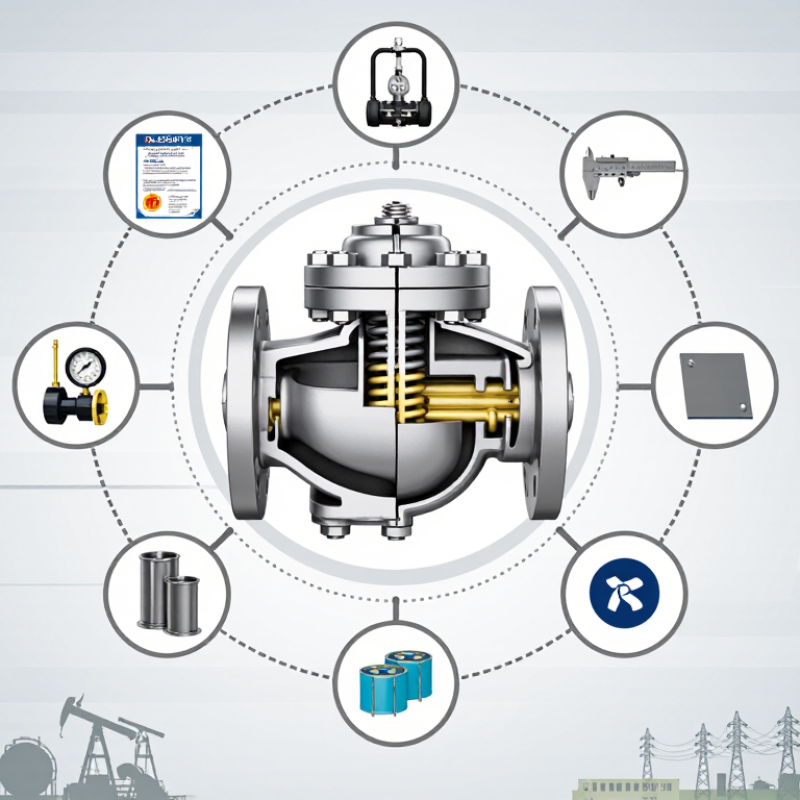
A credible supplier should demonstrate engineering experience, documented testing, and clear quality controls. Relevant evidence may include pressure-test records, material certificates, dimensional inspection reports, and application references. API 520, API 526, and ASME Boiler and Pressure Vessel Code requirements can support a more disciplined evaluation, where applicable. The correct benchmark depends on pressure, temperature, media, installation orientation, and required relieving capacity.

Details reveal quality. A strong supplier can explain spring settings, seat materials, corrosion allowances, and maintenance intervals without vague promises. It should also clarify whether the valve is genuinely designed for bidirectional service or merely adapted from a one-way model. This distinction is easy to overlook.

Supplier rankings remain imperfect. Public data can be incomplete, and regional performance may differ. Therefore, this guide combines published industry research with practical selection criteria, technical verification, and realistic procurement concerns. The leading suppliers are not simply the largest names. They are the companies that can provide consistent documentation, responsive engineering support, and reliable Bidirectional Relief Valve performance in demanding operating conditions.
Top Bidirectional Relief Valve Suppliers Worldwide

What Is a Bidirectional Relief Valve and How Does It Work?

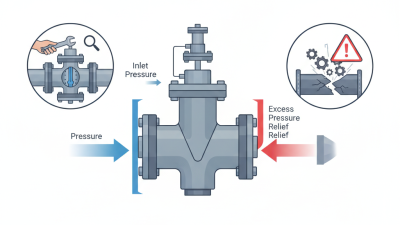
A bidirectional relief valve protects equipment when pressure rises from either direction. Unlike a conventional one-way valve, it can respond to reverse pressure without manual reorientation. This design commonly uses opposing seats, a balanced poppet, or two integrated relief paths. When inlet pressure reaches the set point, the moving element lifts. Excess fluid escapes through the relief passage. After pressure falls, the valve reseats.

The working detail matters. Set pressure, blowdown, backpressure, temperature, and fluid density must match the application. API 520 Part I provides recognized sizing methods for pressure-relief devices, while ISO 4126-1 addresses safety-valve performance requirements. A practical inspection should confirm both flow directions, not just the arrow on the body. That arrow may indicate testing orientation, not complete bidirectional capability.

The industrial valve market was valued at about USD 77.6 billion in 2023, with MarketsandMarkets forecasting approximately 4.7% annual growth through 2028. This expansion increases demand for compact protection in pipelines, storage systems, and process skids. Yet market growth does not guarantee reliable selection. Some supplier datasheets state “bidirectional” without showing reverse-flow test results. That is a weakness worth challenging. Ask for certified set-pressure data, leakage results, material traceability, and performance under expected backpressure. A valve that opens correctly in the workshop may behave differently after installation. Small piping changes can alter discharge capacity.
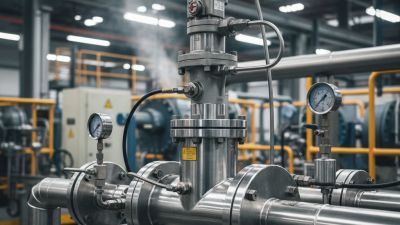
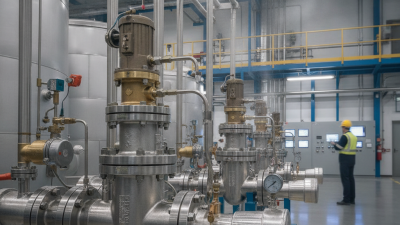
Top Bidirectional Relief Valve Suppliers Worldwide — What Is a Bidirectional Relief Valve and How Does It Work?

A bidirectional relief valve protects equipment from excessive pressure in either flow direction. When the pressure difference reaches the valve’s set point, the valve opens to relieve pressure; it closes again when pressure returns to a safe level. The chart shows the equivalent pressure values for an example bidirectional set differential of 1 bar, using standard unit conversions rather than supplier-specific data.

Key Features and Applications of Bidirectional Relief Valves

Bidirectional relief valves protect equipment when pressure rises from either flow direction.

This feature matters in reversible pipelines, closed-loop hydraulic circuits, and systems exposed to changing pump conditions. A properly selected valve opens at a defined set pressure, releases excess fluid, and reseats after pressure stabilizes. Fast response helps limit damage to pumps, seals, heat exchangers, and storage vessels.

Important features include accurate pressure settings, stable reseating, corrosion-resistant materials, and low leakage.

Stainless steel suits many water and chemical services, while specialized alloys may handle aggressive media.

Suppliers should provide pressure-test records, material certificates, calibration data, and traceable serial numbers. Check the valve’s pressure class, temperature range, connection type, and flow capacity before approval.

Small details matter.

These valves are common near pump discharge lines, process skids, thermal expansion zones, and underground transfer pipelines.

In a trapped-liquid section, even modest temperature changes can create dangerous pressure. A relief valve can protect that isolated volume, but installation still needs careful review.

The outlet should direct fluid safely, without creating backpressure that affects operation. Field technicians should verify the set pressure after installation and during scheduled maintenance.

Real systems are rarely perfect.

Dirt, vibration, or an undersized outlet can reduce reliability, so inspection findings should influence future valve selection.

How to Evaluate Bidirectional Relief Valve Suppliers Worldwide

Evaluating bidirectional relief valve suppliers requires more than comparing prices. Confirm whether each valve is tested for pressure release in both flow directions. Request material certificates, calibration records, pressure-test curves, and traceable serial numbers. ISO 4126 and API 520 provide useful technical references for sizing, testing, and application review. A supplier should explain deviations clearly, not hide behind a polished catalog.

The ISO Survey 2022 reported more than 1.26 million ISO 9001 certificates worldwide. Certification supports process control, but it does not prove valve performance. Check the supplier’s audit scope and recent corrective-action records. The World Bank’s Logistics Performance Index 2023 evaluates customs, infrastructure, tracking, and delivery reliability. These factors matter when replacement valves must reach a remote plant quickly. Ask for actual lead-time data. Estimates can be optimistic.

Tips: Compare at least three suppliers using one scorecard. Give technical compliance the highest weight. Review test facilities, inspection independence, spare-part access, and warranty terms. Ask for references from similar pressure, temperature, and media conditions. Verify whether testing is witnessed or only documented. A supplier unwilling to share evidence deserves caution. No scorecard is perfect. Recheck assumptions after field feedback, because a valve that passes the workshop test may behave differently after installation.

Leading Global Suppliers and Their Product Capabilities

Top Bidirectional Relief Valve Suppliers Worldwide

Leading global suppliers of bidirectional relief valves combine design expertise, controlled manufacturing, and application support. Their product ranges often cover threaded, flanged, and compact cartridge designs. These valves protect systems from pressure changes in either flow direction.

Reliable suppliers offer bodies in stainless steel, carbon steel, alloy materials, and engineered plastics. They may support low-pressure air systems, chemical pipelines, hydraulic equipment, and storage vessels. Product capabilities usually include adjustable set pressures, multiple seal options, and customized connection sizes. Some suppliers also provide temperature data, flow coefficients, material certificates, and traceable test records.

Selection should begin with operating pressure, temperature, media, flow rate, and installation orientation. A capable engineering team can review drawings and identify pressure-drop concerns before production. Factory testing should verify opening pressure, reseating behavior, leakage control, and bidirectional performance. Documentation matters.

Details are sometimes incomplete.

Published specifications may not reflect field conditions. Operators should compare test reports with actual process data and maintenance history. Regional suppliers may offer faster service, while international manufacturers may provide broader qualification support. Neither option is automatically better. The strongest supplier relationship includes responsive technical communication, replacement-part availability, and clear inspection procedures. Buyers should also confirm compliance with applicable industry standards and local requirements. A valve that performs well in a clean laboratory can behave differently with pulsation, contamination, or repeated thermal cycling. That practical gap deserves careful review.

How to Select the Right Bidirectional Relief Valve Supplier

Selecting the right bidirectional relief valve supplier requires more than comparing prices. The valve must relieve pressure safely in both flow directions, with stable cracking and reseating performance. Confirm pressure range, flow capacity, leakage limits, temperature rating, and compatibility with the process medium. Ask for test records, material certificates, calibration evidence, and traceability for every critical component. Test the assembly.

A 2024 Grand View Research report valued the global industrial valves market at approximately USD 78.5 billion in 2023. It also projects continued growth through 2030. This expansion increases supplier choice, but it can make technical screening harder. Look for documented compliance with ISO 4126 and relevant pressure-relief design practices. Independent testing is more convincing than a supplier brochure. Check whether testing covers reverse pressure, vibration, thermal cycling, and repeated relief events. Trace every batch.

Service capability matters after installation. Review response times, spare-part availability, inspection procedures, and field support in your operating region. A supplier should explain how it sizes the valve using actual pressure, temperature, fluid properties, and transient conditions. Do not guess. MarketsandMarkets has reported steady growth in industrial valve demand, driven partly by energy, water, and process industries. That trend may encourage rushed purchasing. A polished certificate pack is not enough; I would still request a witnessed test and verify the supplier’s failure history. Cost deserves attention, but an incorrectly selected valve can create downtime, redesign work, and uncomfortable questions.